


Fulmer diary
How we prepared for the journey

After returning to Budapest, the plan had already begun to take shape in my mind. I shared what I had seen with the beekeepers in my family. Together with my sons we decided to set off again, so they too could see where we would make the best honey in the world. It was winter, the ground still covered in snow, yet the place left them open-mouthed. We started working out the concrete tasks. First question: should we rent a house in the nearest village, about an hour’s drive away, or set up a camp in the mountains? It quickly became clear that finding an empty house was hopeless—there simply weren’t any properties for rent. And since we also planned to document everything with a professional film crew in addition to the beekeeping itself, we voted for a camp in nature. I am convinced we must invest real energy so people understand why we make these efforts and see how we reach our goals. In this, my sons became true partners; they understand the media world, and how to tell the story of our attachment to nature through lived experience.
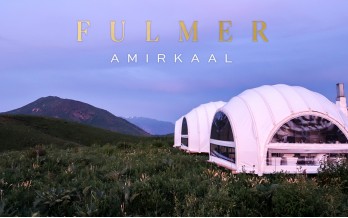
Because we were preparing to spend many months out there, the working conditions mattered greatly. In planning, we had to consider that the nearest town with quality provisions lay six to eight hours away over mountain roads, and also how we would handle the bees and the honey in the middle of nowhere. It was crucial not to scar the landscape—even temporarily. Every detail had to be thought through and designed with the utmost care. We agreed that yurts would suit the setting best—the same dwellings mountain herders live in from spring to winter. We had them made in Hungary. They cost more—there were simpler options with similar comfort—but the deciding factor was that anything out of place would have been an eyesore in that landscape. We drew up detailed layouts and technical plans; the camp had to accommodate 5–10 people continuously and comfortably.




As for myself, my early childhood experience has left a fundamental mark on my thinking. In the early 60s, farming was what the land gave you. In the village where I grew up in Somogy, people sprayed exclusively against the potato beetle. I really came from the Middle Ages. My ancestors 500 years ago treated the land just as my grandparents did.