


Fulmer diary
Our mountain home in the making
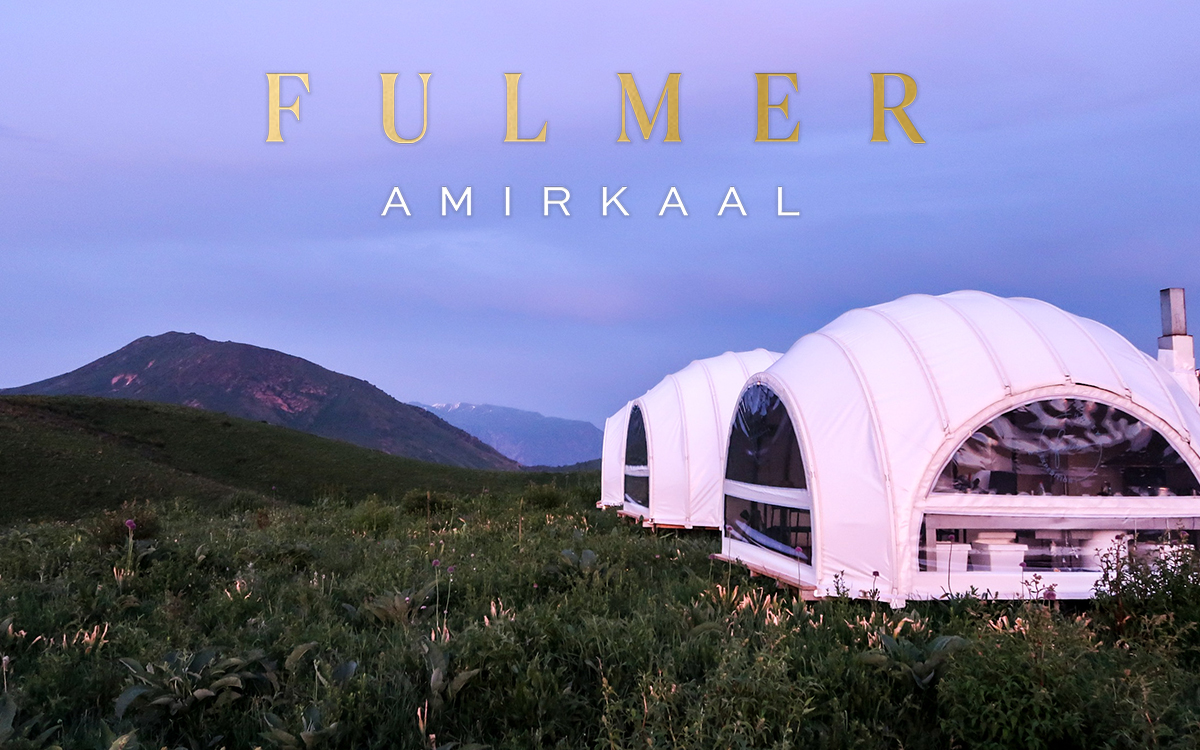
The third time, a few months later in May, after finishing the organising work at home, I returned with four Hungarian colleagues. This time, it was to actually begin the work. In the cities, we purchased the missing, essential tools, then headed for the mountains. When choosing the camp site, we considered several equally important factors. For example, it had to be located as high and deep in the mountains as possible, far from civilisation. By civilisation, I mean the physical presence of communities, because we still needed mobile phones and the internet to stay connected to the world. On the mountain, although not the fastest, 3G is available, and even now we can check the condition of the camp through cameras when no one is there.
We organised the work from the nearby village and travelled up to the site each day. It was also important that the equipment could be transported there by car. On rocky mountain roads, and – although the locals said the region was dry, in reality it rained daily – sometimes through seas of mud, we managed to reach the site. With local helpers, there were sometimes nine of us crammed into the jeep. We were advised not to set up on the mountain peak because of frequent lightning strikes. Another factor in our decision was the opportunity to enjoy the unique beauty of nature during the work.
In that remote area, far from towns and tourism, the greatest difficulty was the lack of food hygiene. Meat was sold at the local market in sun-heated, fridge-less containers, from which the stench alone drove us away instantly. There were plenty of restaurants, but whichever one we ate at, within a few hours everything stormed out of me. The locals were obviously used to the conditions; those unable to cope with the bacteria must have died out long ago. Nobody had heard of chlorine tablets. In the mornings, I was forced to switch to biscuits and Coke, later to Fanta, as at least those stayed in my stomach. For lunch I had packet soup made by pouring hot water over dry pasta, and late at night the restaurant food inevitably left me around 1 a.m.
In the mountains where we set up the camp, trees barely grow – perhaps because locals always used the area as pasture. With my four colleagues and local helpers, we set up four yurts: two for sleeping, one as a communal room, and the fourth for honey processing. Later, we had to add a smaller tent for the machines. Once the camp was ready, we quickly achieved the necessary hygiene and comfort: showers, flush toilets. It was set up to comfortably accommodate eight people. Food supplies were procured from the capital. Each week we transported food in insulated boxes cooled with ice and stored them in refrigerators. We could cook with bottled gas, and also grill with wood.
Water supply came from a plastic tank buried in the ground, filled via hydro-pump from a crystal-clear mountain stream. Electricity was provided by solar panels, which covered the basics. If power dropped, we started up the generator we had brought to the site. These devices we bought locally, with no small struggle. The hand tools we used to build the camp had been ordered earlier, as quality tools were unavailable in the shops. Locals used poor-quality, cheap Chinese tools; luckily, our professional Japanese tools arrived just in time.
The camp could have been built in two weeks, but due to the difficulties, it took about a month. At the end of June, we organised an opening ceremony and invited locals. They were so curious about us that even guests from ministries came. Friendships were formed, and we even invited one of them, an economist by profession, to work with our company. Tariel is a clear-minded, capable young man with a good attitude, and he already had experience with honey, having worked with local producers. He joined us in the camp-building effort, and through operating the camp we got to know him even better. We enrolled him in a Hungarian language course, which he now does online from home. We agreed on his salary, and our official cooperation began.


As for myself, my early childhood experience has left a fundamental mark on my thinking. In the early 60s, farming was what the land gave you. In the village where I grew up in Somogy, people sprayed exclusively against the potato beetle. I really came from the Middle Ages. My ancestors 500 years ago treated the land just as my grandparents did.